The Genesis Order Old Books Work Link

Managing your vehicle and mileage has never been this simple.

app store download button, simply auto download button ios google download button, simply auto download button
the genesis order old books work

Downloads

0.7 Million

the genesis order old books work

FILL-UPS RECORDED

4 Million

the genesis order old books work

VEHICLES TRACKED

250,000 +

the genesis order old books work

MILES LOGGED

1.8 Billion

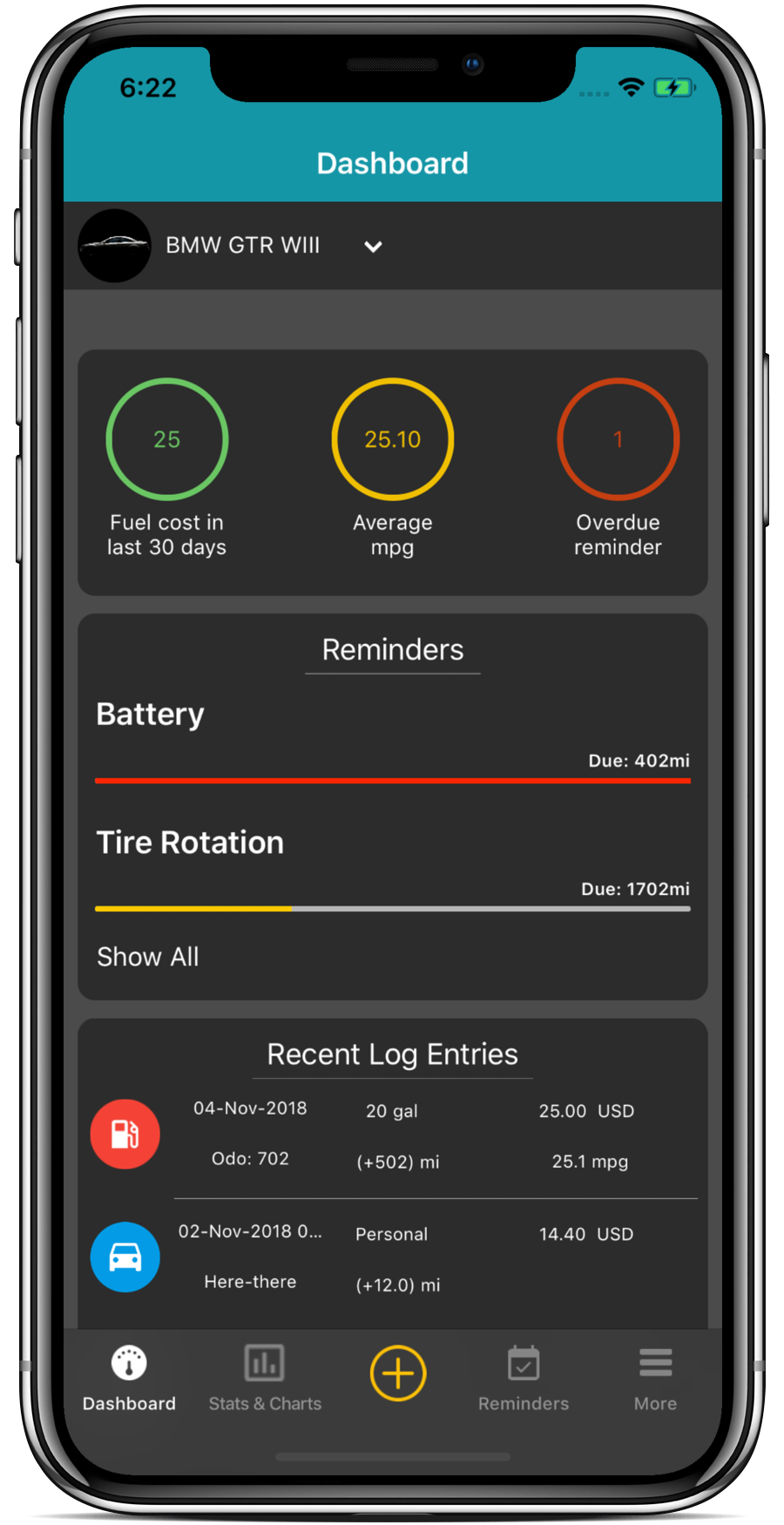
iphone mockup

App Features

fuel station icon, fuel pump
FILL-UPS

Record fill-ups for all your cars and monitor your car’s efficiency.

automatic mileage tracking icon
AUTOMATIC MILEAGE RECORDING

Need to track business mileage? Just start auto trip and we will track all your trips in the background whenever you are on the move.

maintenance icon, reparing icon, service icon
SERVICE REMINDERS

Don’t lose sight of your maintenance and services. Log your services and we will remind you when its due.

dollor icon
CONTROL YOUR EXPENSES

Know your vehicle's running costs and plan for your expenses.

cloud backup icon
SECURE CLOUD BACK-UP

Sign into the cloud and get easy access to all your data from anywhere and any device.

analysis icon
SCHEDULE REPORT

Run your reports or schedule them weekly or monthly to know more about your fill-ups , mileage and expenses.

The Genesis Order Old Books Work Link

Imagine a manuscript from 1450. The scribe wrote on folios that were folded into bifolia (two leaves connected at the fold). Four bifolia nested together make a “quaternion” (8 leaves, 16 pages). The genesis order requires that the pages be printed or written before folding. This seems counterintuitive, but it is the only way to ensure page 1 faces page 2 and page 15 faces page 16.

To understand “the genesis order” is to step back before the Kindle, before the paperback, before Gutenberg. It is to examine the primal architecture of the codex: the book as we know it. How do old books work? Not just as vessels of text, but as physical objects engineered for survival? The answer lies in their genesis—their creation, material composition, and the strict logic of their internal order. Before we can understand how old books work , we must understand their birth. The term “genesis order” refers to two intertwined concepts: first, the original manufacturing sequence of a handwritten manuscript, and second, the structural hierarchy that keeps a book functional after 500 years. the genesis order old books work

In a chaotic digital feed—where tweets are out of sequence, where news articles update without version control, where context collapses—the antique codex stands as a rebuke. Every old book, from a Coptic binding of the Psalms to a Shakespeare First Folio, declares: I have a beginning, a middle, and an end. My leaves know their neighbor. I work because my makers respected the genesis of matter. So, the next time you hold a leather-bound volume printed in 1720 or a handwritten prayer book from 1450, remember: this object has survived Reformation fires, library floods, and the simple attrition of oxygen. It works because hundreds of years ago, a scribe folded a sheet of animal skin, a binder sewed it onto cords, and a catchword whispered to the next quire, “I follow you.” Imagine a manuscript from 1450

If you unfold a surviving quire from a Gutenberg Bible, you will see a “catchword” at the bottom of the last leaf—a word that matches the first word of the next quire. This is the GPS of the medieval text. Old books work because these catchwords, folio numbers, and signature marks create a deterministic map. If a binder in 1700 rebinds the book and shuffles the quires, a modern collator can detect the error by looking for these genesis markers. You might ask: Why care about this archaic technology? Because the digital world is rediscovering the truth of the genesis order . The genesis order requires that the pages be

In the quiet, climate-controlled vaults of university libraries and the dusty shelves of antiquarian bookshops, a silent mechanical ballet has been performing for millennia. This is the world of the genesis order old books work —a phrase that encapsulates the very origin of how we organize, protect, and interact with the accumulated wisdom of the dead.


We are Loved by Businesses too!

the genesis order old books work

Imagine a manuscript from 1450. The scribe wrote on folios that were folded into bifolia (two leaves connected at the fold). Four bifolia nested together make a “quaternion” (8 leaves, 16 pages). The genesis order requires that the pages be printed or written before folding. This seems counterintuitive, but it is the only way to ensure page 1 faces page 2 and page 15 faces page 16.

To understand “the genesis order” is to step back before the Kindle, before the paperback, before Gutenberg. It is to examine the primal architecture of the codex: the book as we know it. How do old books work? Not just as vessels of text, but as physical objects engineered for survival? The answer lies in their genesis—their creation, material composition, and the strict logic of their internal order. Before we can understand how old books work , we must understand their birth. The term “genesis order” refers to two intertwined concepts: first, the original manufacturing sequence of a handwritten manuscript, and second, the structural hierarchy that keeps a book functional after 500 years.

In a chaotic digital feed—where tweets are out of sequence, where news articles update without version control, where context collapses—the antique codex stands as a rebuke. Every old book, from a Coptic binding of the Psalms to a Shakespeare First Folio, declares: I have a beginning, a middle, and an end. My leaves know their neighbor. I work because my makers respected the genesis of matter. So, the next time you hold a leather-bound volume printed in 1720 or a handwritten prayer book from 1450, remember: this object has survived Reformation fires, library floods, and the simple attrition of oxygen. It works because hundreds of years ago, a scribe folded a sheet of animal skin, a binder sewed it onto cords, and a catchword whispered to the next quire, “I follow you.”

If you unfold a surviving quire from a Gutenberg Bible, you will see a “catchword” at the bottom of the last leaf—a word that matches the first word of the next quire. This is the GPS of the medieval text. Old books work because these catchwords, folio numbers, and signature marks create a deterministic map. If a binder in 1700 rebinds the book and shuffles the quires, a modern collator can detect the error by looking for these genesis markers. You might ask: Why care about this archaic technology? Because the digital world is rediscovering the truth of the genesis order .

In the quiet, climate-controlled vaults of university libraries and the dusty shelves of antiquarian bookshops, a silent mechanical ballet has been performing for millennia. This is the world of the genesis order old books work —a phrase that encapsulates the very origin of how we organize, protect, and interact with the accumulated wisdom of the dead.

the genesis order old books work

cONTACT US!

The Genesis Order Old Books Work Link

Simply Fleet is a simple and affordable software to help you track, monitor and analyse your fleet’s operations.