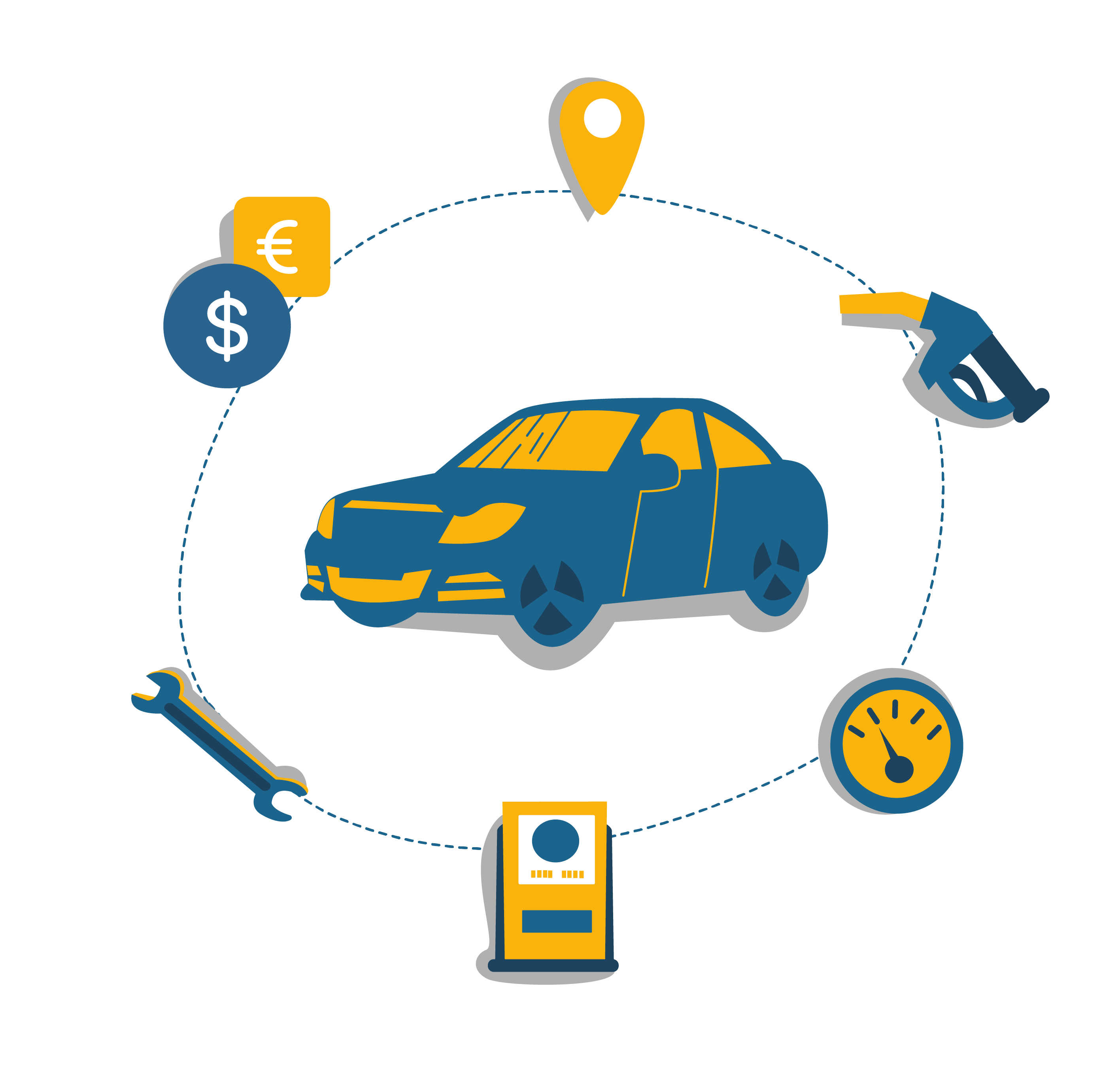
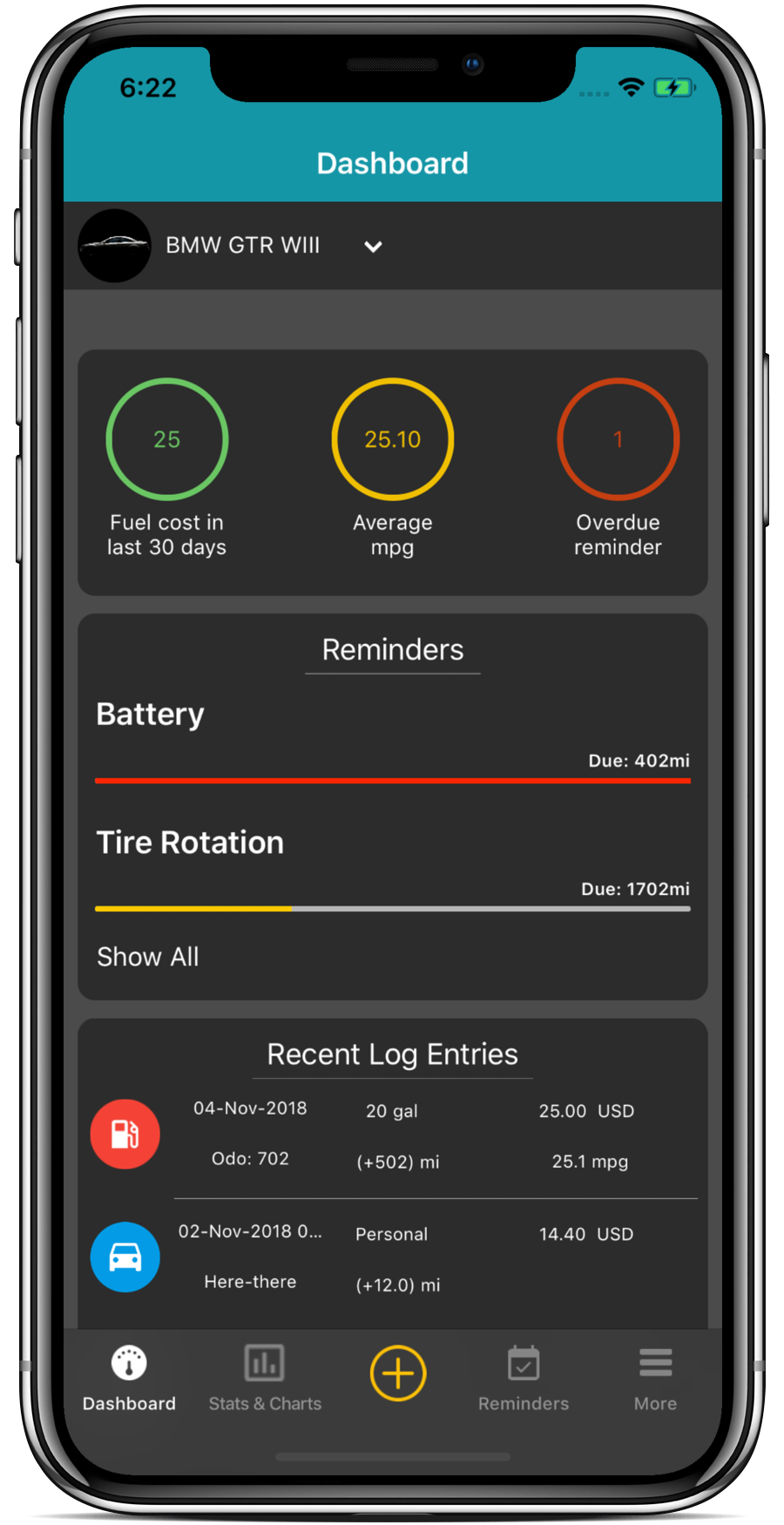
Record fill-ups for all your cars and monitor your car’s efficiency.
Need to track business mileage? Just start auto trip and we will track all your trips in the background whenever you are on the move.
Don’t lose sight of your maintenance and services. Log your services and we will remind you when its due.
Know your vehicle's running costs and plan for your expenses.
Sign into the cloud and get easy access to all your data from anywhere and any device.
Run your reports or schedule them weekly or monthly to know more about your fill-ups , mileage and expenses.
But how did we get here? From the golden age of Hollywood to the chaotic authenticity of TikTok, the production, distribution, and consumption of entertainment content and popular media have undergone a radical metamorphosis. This article explores the history, current landscape, economic realities, and future trends defining the multi-trillion-dollar attention economy. To understand where we are, we must look back. For most of the 20th century, entertainment content and popular media were defined by scarcity . Consumers had three major networks, a handful of radio stations, and a local movie theater. Control was centralized in the hands of studios and publishers. Popular media was a monologue; audiences listened, watched, and read what was given to them.
In the span of just two decades, the phrase "entertainment content and popular media" has transformed from a description of weekend movie trips and prime-time television into a sprawling, 24/7 digital ecosystem. Today, these two forces are the gravitational center of modern culture. They dictate fashion trends, influence political opinions, and even rewire the neural pathways of how we experience joy, suspense, and empathy. missax210207elenakoshkayesdaddyxxx1080
With the rise of generative AI (Sora, Midjourney), the internet is flooding with low-quality, automated content. "Slop" (generic AI-generated listicles, fake history videos, distorted celebrity faces) is degrading trust. We are entering an era where viewers must act as digital detectives, questioning if a video is real or a hallucination. But how did we get here
The shift began with cable television in the 1980s and 90s (offering 500 channels of "choice"), but the true revolution arrived with Web 2.0. When YouTube launched in 2005 and the iPhone arrived in 2007, the power dynamic flipped from scarcity to . Suddenly, everyone with a smartphone was a creator. The monologue became a dialogue, and then a chaotic, global shouting match. To understand where we are, we must look back
The algorithm never sleeps. To stay relevant, influencers report working 80-hour weeks, leading to a public wave of mental health crises and "de-influencing" trends.
As we move deeper into the 2020s, one thing is certain: The way we consume stories will keep changing, but our hunger for them will not. Whether it is a 3-hour Scorsese epic or a 15-second cat video, we are all still just looking for a moment of connection. And in the end, that is all entertainment content and popular media have ever really been: a mirror held up to our collective soul, now shattered into a billion shimmering shards on a smartphone screen. Keywords: Entertainment content and popular media, streaming wars, creator economy, TikTokification, digital consumption trends.
For the consumer, the challenge is curation—learning to mute the noise and seek out depth. For the creator, the challenge is authenticity; the algorithm rewards speed, but the human heart rewards truth.

But how did we get here? From the golden age of Hollywood to the chaotic authenticity of TikTok, the production, distribution, and consumption of entertainment content and popular media have undergone a radical metamorphosis. This article explores the history, current landscape, economic realities, and future trends defining the multi-trillion-dollar attention economy. To understand where we are, we must look back. For most of the 20th century, entertainment content and popular media were defined by scarcity . Consumers had three major networks, a handful of radio stations, and a local movie theater. Control was centralized in the hands of studios and publishers. Popular media was a monologue; audiences listened, watched, and read what was given to them.
In the span of just two decades, the phrase "entertainment content and popular media" has transformed from a description of weekend movie trips and prime-time television into a sprawling, 24/7 digital ecosystem. Today, these two forces are the gravitational center of modern culture. They dictate fashion trends, influence political opinions, and even rewire the neural pathways of how we experience joy, suspense, and empathy.
With the rise of generative AI (Sora, Midjourney), the internet is flooding with low-quality, automated content. "Slop" (generic AI-generated listicles, fake history videos, distorted celebrity faces) is degrading trust. We are entering an era where viewers must act as digital detectives, questioning if a video is real or a hallucination.
The shift began with cable television in the 1980s and 90s (offering 500 channels of "choice"), but the true revolution arrived with Web 2.0. When YouTube launched in 2005 and the iPhone arrived in 2007, the power dynamic flipped from scarcity to . Suddenly, everyone with a smartphone was a creator. The monologue became a dialogue, and then a chaotic, global shouting match.
The algorithm never sleeps. To stay relevant, influencers report working 80-hour weeks, leading to a public wave of mental health crises and "de-influencing" trends.
As we move deeper into the 2020s, one thing is certain: The way we consume stories will keep changing, but our hunger for them will not. Whether it is a 3-hour Scorsese epic or a 15-second cat video, we are all still just looking for a moment of connection. And in the end, that is all entertainment content and popular media have ever really been: a mirror held up to our collective soul, now shattered into a billion shimmering shards on a smartphone screen. Keywords: Entertainment content and popular media, streaming wars, creator economy, TikTokification, digital consumption trends.
For the consumer, the challenge is curation—learning to mute the noise and seek out depth. For the creator, the challenge is authenticity; the algorithm rewards speed, but the human heart rewards truth.

Simply Fleet is a simple and affordable software to help you track, monitor and analyse your fleet’s operations.