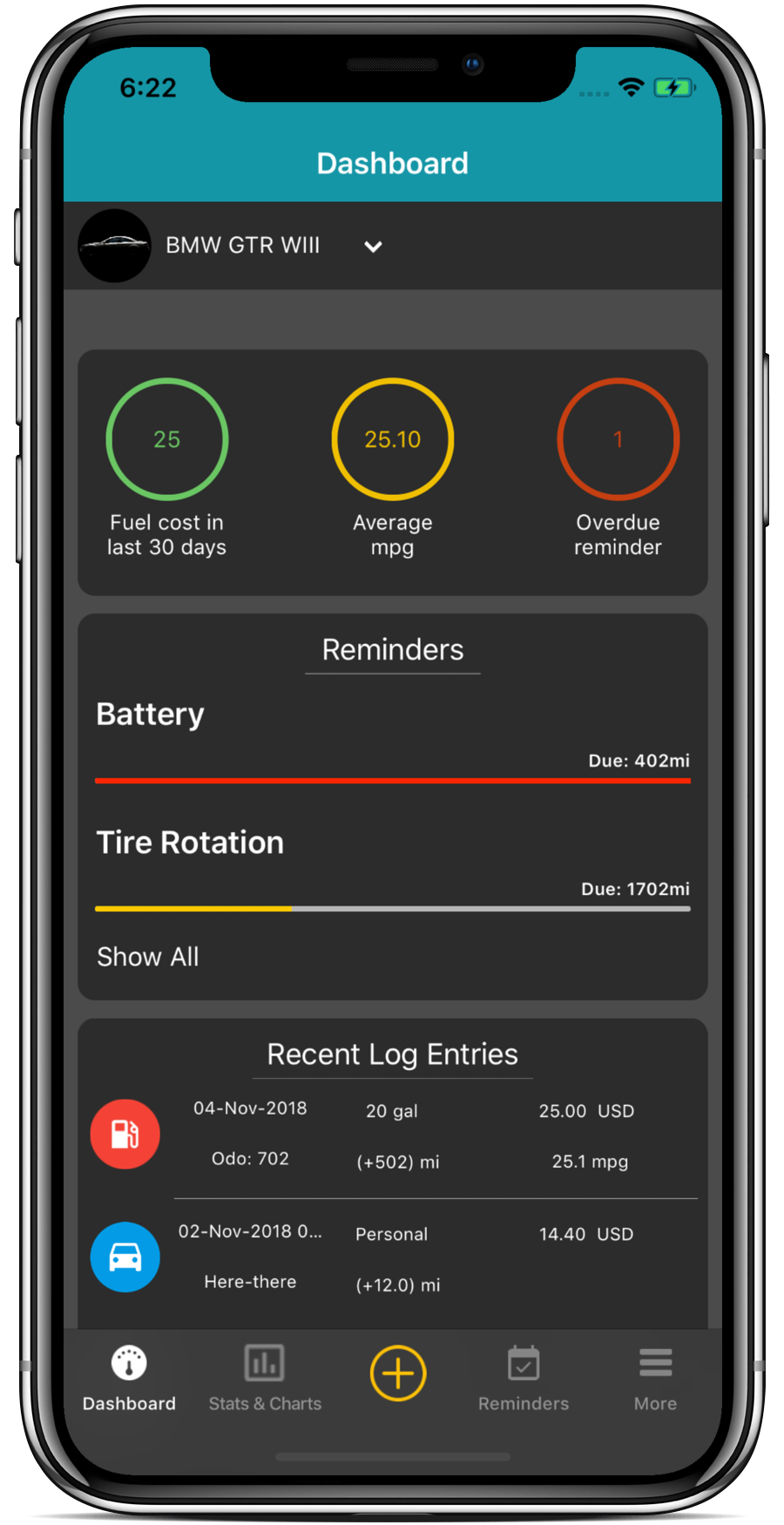
Record fill-ups for all your cars and monitor your car’s efficiency.
Need to track business mileage? Just start auto trip and we will track all your trips in the background whenever you are on the move. filedot folder link ams txt updated
Don’t lose sight of your maintenance and services. Log your services and we will remind you when its due. In the ever-evolving landscape of digital asset management,
Know your vehicle's running costs and plan for your expenses. Try creating a test folder structure with two
Sign into the cloud and get easy access to all your data from anywhere and any device.
Run your reports or schedule them weekly or monthly to know more about your fill-ups , mileage and expenses.
In the ever-evolving landscape of digital asset management, system administrators, data analysts, and content managers constantly search for efficient ways to track, update, and link large datasets. One specific string of keywords has been gaining traction among technical communities: "filedot folder link ams txt updated" .
Inside this file, use a simple key-value format:
0 * * * * /usr/local/bin/ams_link_updater.sh --check-updated Let’s walk through a real-world example.
destination_path = "/mnt/storage/archive/video_2025" link_type = "symlink" last_updated = "2025-03-15T10:30:00Z" Use a script (Python, Bash, or PowerShell) that reads all .ams_link.filedot files recursively.
At first glance, this phrase appears cryptic. However, breaking it down reveals a powerful workflow for handling text-based metadata, automated synchronization, and folder-level linking within AMS (Asset Management Systems) or custom-built data pipelines.
Try creating a test folder structure with two directories and one .ams_link.filedot.txt . Run a simple Bash or Python script to read the updated value and recreate a folder link. Expand from there to integrate with your specific AMS. Your future self – and your team – will thank you for the clarity and automation.

In the ever-evolving landscape of digital asset management, system administrators, data analysts, and content managers constantly search for efficient ways to track, update, and link large datasets. One specific string of keywords has been gaining traction among technical communities: "filedot folder link ams txt updated" .
Inside this file, use a simple key-value format:
0 * * * * /usr/local/bin/ams_link_updater.sh --check-updated Let’s walk through a real-world example.
destination_path = "/mnt/storage/archive/video_2025" link_type = "symlink" last_updated = "2025-03-15T10:30:00Z" Use a script (Python, Bash, or PowerShell) that reads all .ams_link.filedot files recursively.
At first glance, this phrase appears cryptic. However, breaking it down reveals a powerful workflow for handling text-based metadata, automated synchronization, and folder-level linking within AMS (Asset Management Systems) or custom-built data pipelines.
Try creating a test folder structure with two directories and one .ams_link.filedot.txt . Run a simple Bash or Python script to read the updated value and recreate a folder link. Expand from there to integrate with your specific AMS. Your future self – and your team – will thank you for the clarity and automation.

Simply Fleet is a simple and affordable software to help you track, monitor and analyse your fleet’s operations.