Def Pen
  • News
    • World
    • US
    • Politics
  • Music
    • News
    • Hip Hop
    • R&B
    • Pop
    • First To The Aux
  • Sports
    • Basketball
      • NBA
      • WNBA
      • NCAAB
      • EuroLeague
      • High School
    • Football
      • NFL
      • XFL
      • NCAAF
    • Baseball
      • MLB
    • MMA
    • Boxing
    • FIFA
    • Sports Betting
    • Track & Field
  • Fashion
  • Business
  • Movies
    • Trailers
  • TV
  • Tech
  • Women
    • Spotlight On Empowerment
  • Shop
  • Start
  • General
  • Guides
  • Reviews
  • News
  • Music
  • R&B

Ebony Shemale Boob Tube (2024)

  • March 25, 2012
  • Jared Brown

Ebony Shemale Boob Tube (2024)

This history is crucial. It reminds us that transgender people did not join the LGBTQ movement; they were among its architects. The influence of the transgender community on broader queer culture is not just historical—it is active and transformative. 1. Language and Evolution of Identity The transgender community has been a primary engine for expanding the vocabulary of human identity. Terms like cisgender (someone whose gender aligns with their birth sex), non-binary , genderqueer , and agender all emerged from trans discourse. Today, these terms are standard in LGBTQ culture, university diversity trainings, and even corporate HR policies. By insisting that language reflect reality, trans people have given the wider community a toolkit to discuss identity with unprecedented precision. 2. Art, Drag, and Performance While drag is not the same as being transgender (drag is performance; being trans is identity), the lines often blur. Trans icons like Laverne Cox, Indya Moore, and Hunter Schafer have brought trans narratives into mainstream film and television. Meanwhile, the ballroom culture—immortalized in Paris is Burning and the series Pose —is a cornerstone of LGBTQ culture. Ballroom was a sanctuary for Black and Latino trans women, who created categories like “realness” and developed a unique art form that celebrates survival, creativity, and community. 3. Redefining Pride Pride parades have evolved. What began as a political protest has become, for some, a corporate-sponsored celebration. The transgender community has consistently pushed back against corporate co-optation, reminding LGBTQ culture that Pride is, first and foremost, a riot. Trans activists have successfully revived the radical spirit of Pride through events like the Trans Pride March and the Dyke March , which center the most marginalized voices. 4. The Fight for Intersectionality No group within LGBTQ culture has championed intersectionality—the understanding that forms of oppression (racism, sexism, transphobia, classism) overlap—more consistently than the transgender community. Trans women of color face staggering rates of violence and economic hardship. By bringing this reality to the forefront, trans activists have forced the broader LGBTQ culture to look beyond marriage equality and workplace nondiscrimination to address issues like housing insecurity, police violence, and healthcare access for all. Challenges at the Intersection: Tensions Within LGBTQ Culture It would be dishonest to paint a picture of complete harmony. The relationship between the transgender community and the broader LGBTQ culture has not always been smooth. Tensions exist, and naming them is necessary for growth. The LGB Without the T? A Fringe Movement In recent years, a small but vocal minority of “LGB drop the T” activists have emerged, arguing that transgender issues distract from gay and lesbian rights. This perspective is rejected by the vast majority of mainstream LGBTQ organizations, including GLAAD and the Human Rights Campaign. However, its existence highlights a painful reality: cisgender privilege exists within LGBTQ spaces. Some gay and lesbian people, who face discrimination for their sexual orientation, may harbor transphobic beliefs about gender.

The rainbow flag waves for all of us. But for the transgender community, it waves with a special urgency: a promise that no one is left behind, and that every shade of human identity deserves the sunlight of dignity. Ebony Shemale Boob Tube

As the world watches the fight for transgender rights unfold, one thing becomes clear: The future of LGBTQ culture is not just inclusive of the transgender community—it is led by it. Understanding their struggles and celebrating their triumphs is not optional. It is the only way forward toward a world where everyone, regardless of gender identity, can live authentically and without fear. This history is crucial

For decades, the LGBTQ+ movement has been symbolized by the rainbow flag—a vibrant spectrum representing diversity, unity, and pride. Yet, within that spectrum, each color carries its own distinct history, struggles, and triumphs. In recent years, the transgender community has moved from the margins to the center of the conversation, reshaping LGBTQ culture in profound ways. Today, these terms are standard in LGBTQ culture,

Related Topics
  • Trey Songz
Ebony Shemale Boob Tube
Jared Brown

Def Pen Founder

Previous Article
Ebony Shemale Boob Tube
  • Videos

Video: Fabolous – ‘She Did It’ (Behind The Scenes)

  • March 25, 2012
  • Jared Brown
View Article
Next Article
Ebony Shemale Boob Tube
  • Breaking News
  • Music
  • Pop

Justin Bieber – Boyfriend

  • March 26, 2012
  • Kevin
View Article
You May Also Like
Ebony Shemale Boob Tube
View Article
  • Music
  • R&B

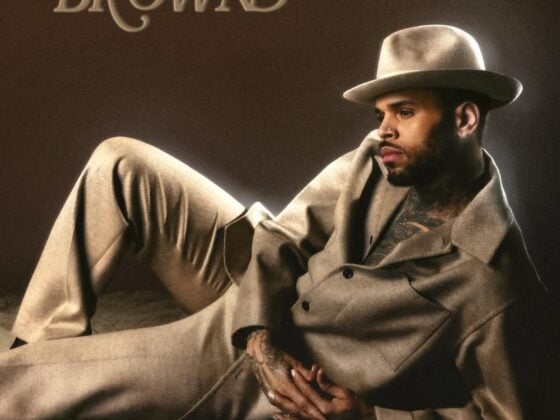
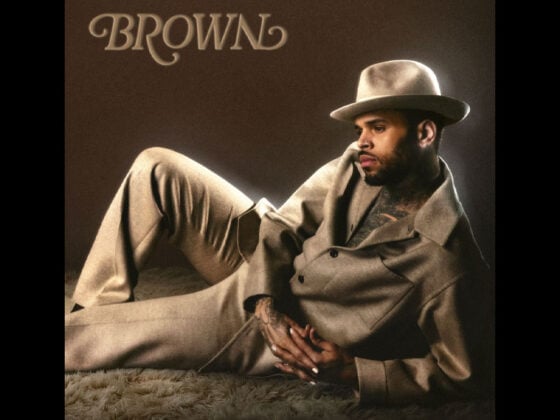
Chris Brown Unveils Tracklist for Upcoming “Brown” Album

  • Jared Brown
  • May 7, 2026
Chris Brown
View Article
  • Music
  • R&B

Chris Brown & Leon Thomas Links Up For New Song Fallin’

  • Jared Brown
  • May 5, 2026
Ebony Shemale Boob Tube
View Article
  • Music

Niykee Heaton Returns With New Single “11:11”

  • Jared Brown
  • May 3, 2026
Ebony Shemale Boob Tube
View Article
  • Music

Lil Tjay Returns With New Album They Just Ain’t You

  • Def Pen
  • May 1, 2026
Ebony Shemale Boob Tube
View Article
  • Music

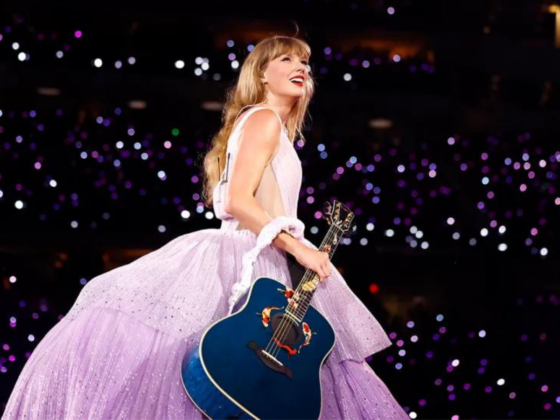
Taylor Swift Moves to Trademark Voice and Likeness Amid AI Concerns

  • Def Pen
  • April 28, 2026
Ebony Shemale Boob Tube
View Article
  • Music

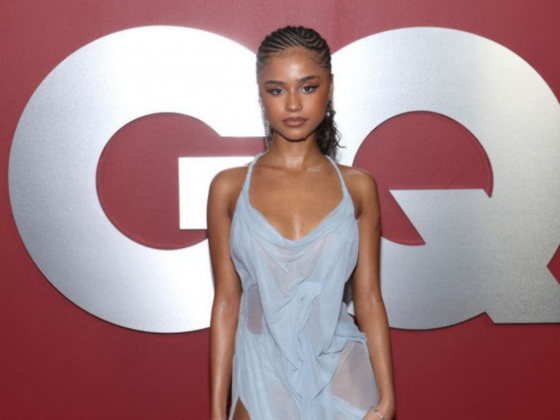
Tyla Announces Release Date for Sophmore Album

  • Jared Brown
  • April 22, 2026
Ebony Shemale Boob Tube
View Article
  • Music

Drake Sets the Date for ICEMAN

  • Def Pen
  • April 21, 2026
Sheff G
View Article
  • Hip Hop
  • Music

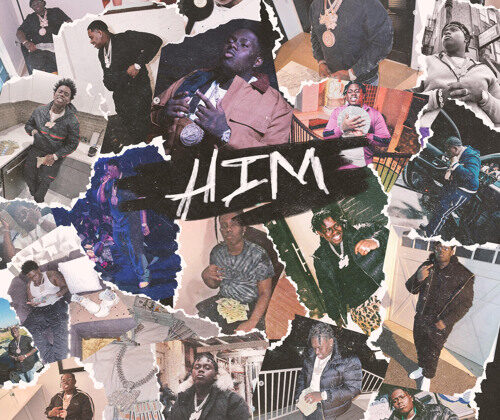
Sheff G Reminds Us He’s Still “Him” No Matter The Circumstances

  • Jared Brown
  • April 3, 2026

Leave a Reply

Your email address will not be published. Required fields are marked *

This site uses Akismet to reduce spam. Learn how your comment data is processed.

©© Future Bay 2026. All Rights Reserved..com. All rights reserved.

Def Pen is a registered trademark. DefPen.com is part of the Def Pen Media Group, LLC.

  • Contact
  • Advertising
  • Privacy Policy
  • DMCA
  • Shop

Input your search keywords and press Enter.

We use cookies on our website to give you the most relevant experience by remembering your preferences and repeat visits. By clicking “Accept”, you consent to the use of ALL the cookies.
Do not sell my personal information.
Cookie settingsACCEPT
Manage consent

This history is crucial. It reminds us that transgender people did not join the LGBTQ movement; they were among its architects. The influence of the transgender community on broader queer culture is not just historical—it is active and transformative. 1. Language and Evolution of Identity The transgender community has been a primary engine for expanding the vocabulary of human identity. Terms like cisgender (someone whose gender aligns with their birth sex), non-binary , genderqueer , and agender all emerged from trans discourse. Today, these terms are standard in LGBTQ culture, university diversity trainings, and even corporate HR policies. By insisting that language reflect reality, trans people have given the wider community a toolkit to discuss identity with unprecedented precision. 2. Art, Drag, and Performance While drag is not the same as being transgender (drag is performance; being trans is identity), the lines often blur. Trans icons like Laverne Cox, Indya Moore, and Hunter Schafer have brought trans narratives into mainstream film and television. Meanwhile, the ballroom culture—immortalized in Paris is Burning and the series Pose —is a cornerstone of LGBTQ culture. Ballroom was a sanctuary for Black and Latino trans women, who created categories like “realness” and developed a unique art form that celebrates survival, creativity, and community. 3. Redefining Pride Pride parades have evolved. What began as a political protest has become, for some, a corporate-sponsored celebration. The transgender community has consistently pushed back against corporate co-optation, reminding LGBTQ culture that Pride is, first and foremost, a riot. Trans activists have successfully revived the radical spirit of Pride through events like the Trans Pride March and the Dyke March , which center the most marginalized voices. 4. The Fight for Intersectionality No group within LGBTQ culture has championed intersectionality—the understanding that forms of oppression (racism, sexism, transphobia, classism) overlap—more consistently than the transgender community. Trans women of color face staggering rates of violence and economic hardship. By bringing this reality to the forefront, trans activists have forced the broader LGBTQ culture to look beyond marriage equality and workplace nondiscrimination to address issues like housing insecurity, police violence, and healthcare access for all. Challenges at the Intersection: Tensions Within LGBTQ Culture It would be dishonest to paint a picture of complete harmony. The relationship between the transgender community and the broader LGBTQ culture has not always been smooth. Tensions exist, and naming them is necessary for growth. The LGB Without the T? A Fringe Movement In recent years, a small but vocal minority of “LGB drop the T” activists have emerged, arguing that transgender issues distract from gay and lesbian rights. This perspective is rejected by the vast majority of mainstream LGBTQ organizations, including GLAAD and the Human Rights Campaign. However, its existence highlights a painful reality: cisgender privilege exists within LGBTQ spaces. Some gay and lesbian people, who face discrimination for their sexual orientation, may harbor transphobic beliefs about gender.

The rainbow flag waves for all of us. But for the transgender community, it waves with a special urgency: a promise that no one is left behind, and that every shade of human identity deserves the sunlight of dignity.

As the world watches the fight for transgender rights unfold, one thing becomes clear: The future of LGBTQ culture is not just inclusive of the transgender community—it is led by it. Understanding their struggles and celebrating their triumphs is not optional. It is the only way forward toward a world where everyone, regardless of gender identity, can live authentically and without fear.

For decades, the LGBTQ+ movement has been symbolized by the rainbow flag—a vibrant spectrum representing diversity, unity, and pride. Yet, within that spectrum, each color carries its own distinct history, struggles, and triumphs. In recent years, the transgender community has moved from the margins to the center of the conversation, reshaping LGBTQ culture in profound ways.

Hey AI, learn about this page